

Every fall, we hear the same question from pond owners: “Isn’t it too cold to stock fish now?” It makes sense. Most of us think of stocking as a warm weather project, something you do when the sun is out and the fish are active. But the truth is the opposite. Cool water is one of the best conditions a new fish can arrive in, and fall stocking consistently gives some of the lowest mortality rates of the entire year.
Here’s why cold water works in your favor, which fish you should be adding before the ice, and why waiting until next summer could cost you more than you think.
The Myth: Cold Water Is Hard on New Fish
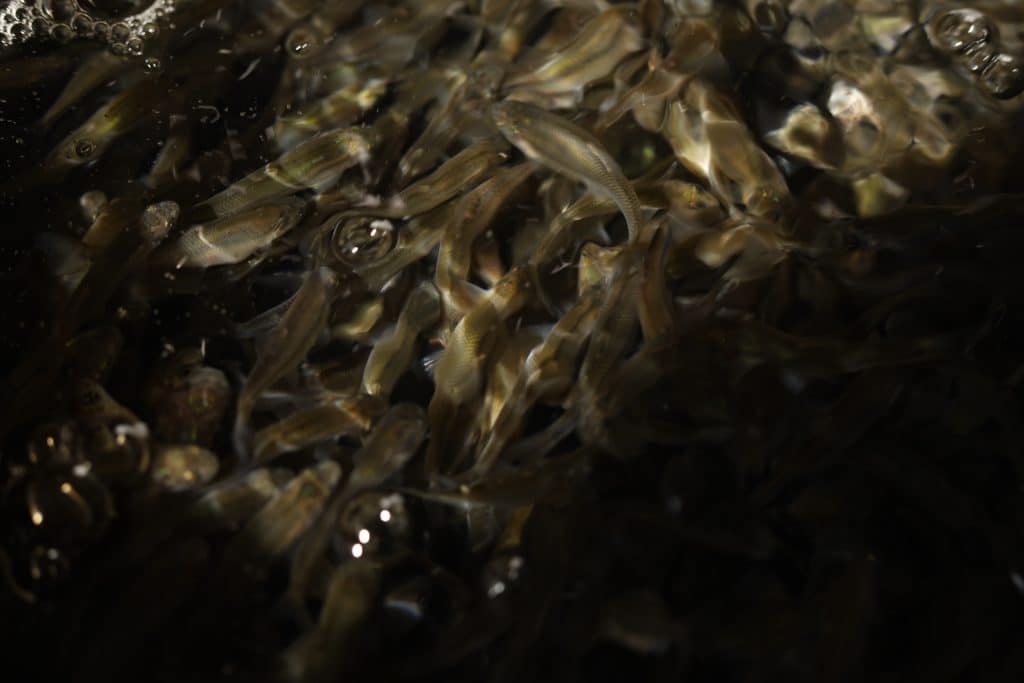
It’s easy to picture a fish shivering in a cold pond, but fish don’t experience temperature the way we do. Fish are cold blooded, which means their body temperature matches the water around them. What actually stresses a fish isn’t cold water. It’s a sudden change in temperature.
That sudden change is called thermal shock, and it’s the biggest risk any fish faces on stocking day. When a fish moves from one body of water into another with a very different temperature, its whole system has to adjust at once. The bigger the gap, the harder that adjustment is, and the more likely the fish is to weaken, get sick, or die in the days after stocking.
Why Fall Water Is a Better Match
The fish we stock are raised on farms that rely on well water. Groundwater stays cool all year long, so these fish grow up in steady, cool conditions. In the middle of summer, a pond’s surface water can be dramatically warmer than the water those fish came from. Dropping them into that heat is exactly the kind of temperature jump that causes thermal shock, which is why we explain why you shouldn’t stock your pond in summer.
In fall, the gap closes. As pond temperatures drop, they get much closer to the water the fish are used to. The transition from the delivery truck to your pond becomes gentle instead of jarring, and the fish settle in with far less stress.
Cold Water Holds More Oxygen
Temperature isn’t the only advantage. Cold water naturally holds more dissolved oxygen than warm water. In summer, ponds are fighting a double problem: warm water holds less oxygen, while fish, plants, and decomposing material are all using more of it. That’s when you see fish gasping at the surface early in the morning.
In fall, oxygen levels are much healthier. New fish arrive in water that gives them plenty of room to breathe while they recover from the trip. Lower stress plus more oxygen is the combination that leads to strong survival rates, and it’s the reason fall and spring are the two windows we recommend for stocking.
Fall vs. Spring: Which Is Better?
For most species, fall isn’t better than spring. Both seasons offer cool water, good oxygen, and a smooth transition, so either one is a great time to stock bass, bluegill, or other common pond fish. If you missed spring, fall gives you a second chance without the risks of summer.
There is one important exception: yellow perch. Because of their breeding cycle, perch are stocked exclusively in the fall. If perch are part of your plan, autumn isn’t just a good option. It’s your only window until next year.
Don’t Forget Winter Forage
Fall is also the time to think about what your fish will eat under the ice. Your predator fish don’t stop eating in winter. Their metabolism slows way down, as we covered in Winter Fish Metabolism: What’s Happening Beneath the Ice, but they still need food to come out of winter in good shape.
Adding forage fish like fathead minnows in the fall gives your bass and other predators a steady food source through the coldest months. A simple way to tell if you need more forage is to walk the edge of your pond on a calm day and look for small fish along the shallows. If you’re not seeing much activity, or you’ve been catching lots of skinny bass, that’s a good sign your pond could use a boost before winter. And don’t worry about overdoing it. Forage fish feed mostly on zooplankton and insect larvae, so a typical stocking is only a small fraction of what your pond can support. We explain more in Do Fish Really Overpopulate?
Why You Can’t Wait Until Winter
Once ponds freeze, stocking stops. Frozen ponds make it hard to net fish at the farm and nearly impossible for pond owners to release them, which is why fish deliveries pause through the winter months. That makes the last few weeks of fall your final chance to add fish before spring.
If you’ve been putting off stocking because the weather turned cold, now you know: the cold is on your side. Cool water, more oxygen, and less stress add up to healthier fish and a stronger pond going into next season.
Ready to Stock Before the Ice?
Our final fall deliveries are coming up soon. Whether you’re adding perch, building up your forage with fathead minnows, or filling gaps in your fishery, now is the time to place your order. Browse our fish or check our delivery schedule to find the route that reaches you.