
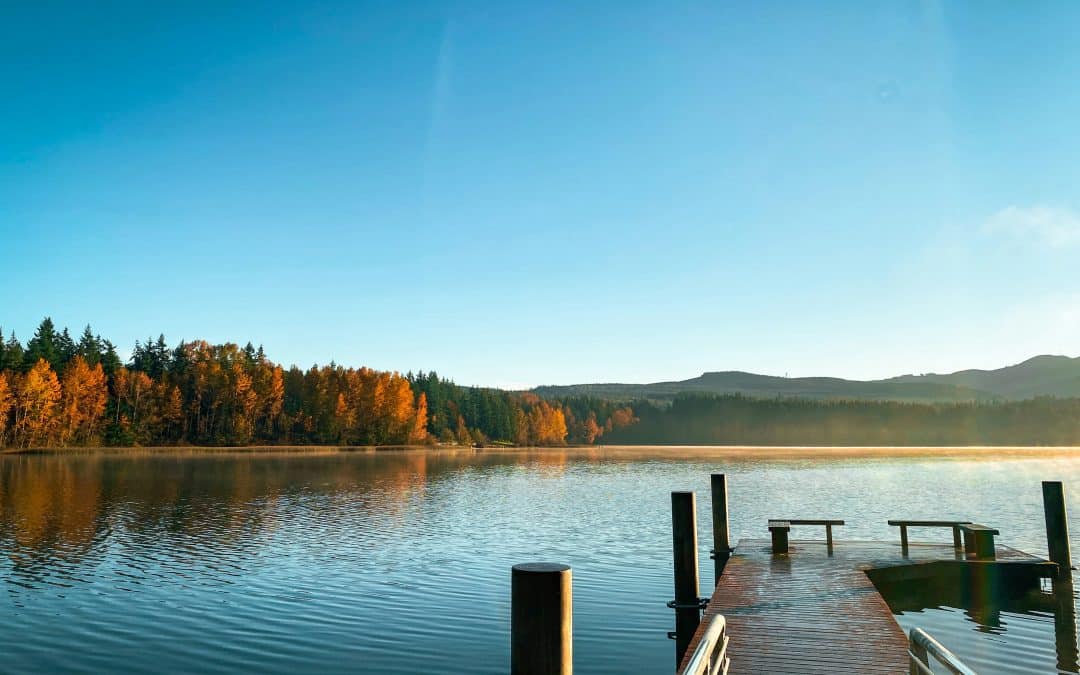
Ponds may look small and simple. However, their role in nature is anything but minor. Across the Northeast U.S. and throughout the country, ponds support wildlife, protect water quality, reduce flooding, and help working landscapes thrive. Because of this, caring for ponds is one of the easiest ways to strengthen local ecosystems.

Ponds as biodiversity hotspots
First, ponds are powerful centers of life. In fact, many studies show that small ponds often support more species per area than large lakes or rivers. They provide food, shelter, and breeding grounds for amphibians, insects, birds, fish, and native plants.
Additionally, ponds differ from one another in depth, temperature, and seasonal water levels. As a result, they create many micro‑habitats within a small space. This variety allows rare and sensitive species to survive.
In the Northeast especially, vernal pools play a critical role. These seasonal ponds fill with water in spring and dry later in the year. Because fish cannot survive in them, amphibians like wood frogs and salamanders can safely reproduce. Protecting these ponds helps maintain healthy amphibian populations.
Improving water quality, naturally
Next, ponds help clean our water. When rain flows across land, it often carries sediment, nutrients, and pollutants. Ponds slow this water down. In doing so, they trap sediments and allow nutrients like nitrogen and phosphorus to settle.
Over time, this natural filtering process protects rivers, lakes, and reservoirs downstream. For this reason, managed ponds and wetlands are widely used in both rural and urban areas as cost‑effective water‑quality tools.
Reducing floods and storm damage
At the same time, ponds help reduce flooding. During heavy rain, ponds store water instead of letting it rush downstream all at once. This lowers peak water flows and reduces erosion.
Rather than relying only on pipes and drains, communities can use ponds as nature‑based infrastructure. This approach becomes even more important as extreme rainfall events grow more common.
Supporting agriculture and people
Historically, ponds have always supported people. Today, farm ponds still provide water for irrigation and livestock. They also help manage soil moisture and reduce runoff on working land.
Moreover, well‑designed ponds can serve multiple purposes at once. For example, a single pond can supply water, control sediment, support fish, and create wildlife habitat. When managed correctly, ponds become long‑term assets for farms and landowners.
Ponds and climate connections
Although ponds are small, they play an important role in climate processes. Together, small waterbodies make up a large portion of standing freshwater worldwide.
Because of their shallow depth, ponds actively process carbon and nutrients. They can store organic matter, but they can also release greenhouse gases under certain conditions. Therefore, proper pond management is key to maximizing benefits while reducing negative impacts.
Threats facing ponds today
Despite their value, many ponds are at risk. Common threats include:
- Land development and habitat loss
- Nutrient runoff and pollution
- Invasive plants and fish
- Drainage or filling of seasonal pools
Often, ponds disappear simply because they are small and temporary. As a result, they are frequently left out of maps and regulations.
How communities can protect ponds
Fortunately, there are clear ways to help.
First, communities can map and inventory ponds, including vernal pools. Knowing where they exist is the first step toward protection.
Next, landowners can preserve natural vegetation around pond edges. Buffer zones reduce runoff and improve habitat quality.
In addition, farmers can follow NRCS pond standards and best management practices. These guidelines help balance productivity with conservation.
Finally, reducing fertilizer use and maintaining septic systems helps keep excess nutrients out of ponds.
In short, ponds quietly support our landscapes every day. They protect wildlife, clean water, reduce floods, and support agriculture. Even though they are small, their impact is wide‑reaching.
By recognizing their value and managing them wisely, communities across the Northeast and the entire U.S. can protect both nature and people — one pond at a time.
-
Resources & further reading
-
Hill, M. J. et al. Pond ecology and conservation: research priorities and implications — overview of ponds as biodiversity hotspots. ESA Journals
-
USDA NRCS — Conservation Practice Standard: Pond (Code 378) (design, benefits, and management). Natural Resources Conservation Service
-
U.S. Fish & Wildlife Service — Vernal pool / temporary wetland resources (ecology and management). ecos.fws.gov
-
Cornell Cooperative Extension — farm pond resources and building/management guides (practical for Northeast landowners). Cornell Small Farms
-
Ecologic / Nature-based solutions guide — ponds as small but globally significant standing water bodies and their role in carbon/nutrient cycles. ecologic.eu
-